Polycentric Istanbul: A New Business Geography for Turkey
Istanbul's next business cycle may depend on whether the city can move from a single dominant center toward a more distributed, polycentric office geography.
Executive Summary
- Istanbul’s office market is not only a real estate question; it is a productivity, mobility and talent question.
- A polycentric city structure can reduce commuting pressure and create new business axes.
- Distributed office hubs may become a strategic model for companies managing cost, access and employee retention.
- The TrendOfis discussion around Istanbul’s need for a polycentric structure should be treated as a practical business question, not only an urban planning idea.
The Opening Question
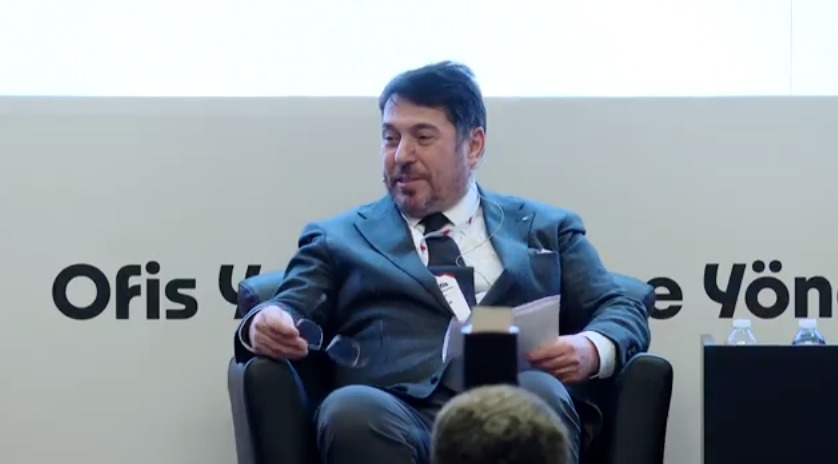
At TrendOfis, Zafer Baysal argued that Istanbul needs a more polycentric structure. That observation raises a larger question: is Istanbul ready for a new business geography?
The old model assumed that companies should concentrate around a narrow set of prestige districts. The new model may be more distributed: closer to talent, closer to residential clusters and more responsive to how people actually move through the city.
Why This Matters
Istanbul’s scale makes centralization expensive. Time lost in traffic, pressure on payroll expectations, employee fatigue and rising office costs all create a new equation for companies.
A polycentric office model does not mean abandoning the central business district. It means adding a network logic to corporate location strategy.
The Business Case
For companies, the question is no longer only “Where is the headquarters?” It is also “Where can teams work efficiently without forcing the entire organization into the same daily commute?”
That shift creates room for satellite offices, flexible hubs, neighborhood-based work points and new service models around distributed office access.
Key Implications
- Office demand may move from single-location prestige to multi-location utility.
- HR, CFO and real estate teams will need to evaluate location strategy together.
- Istanbul’s secondary business axes may gain importance.
- Office search platforms and market data will become more valuable as companies compare distributed options.
FAQ
What does polycentric Istanbul mean?
It means Istanbul developing several functional business and work centers instead of relying on one dominant core.
Why does this matter for companies?
It can reduce commuting burden, improve talent access and create more flexible real estate cost structures.
Is this only an urban planning topic?
No. It is also a business model question for companies, developers, landlords and office search platforms.